
John 3:16 Be thankful, grateful, patient, charitable, kind, and don’t forget to smile, as it is infectious. God Bless America and Protect Our President and Military!
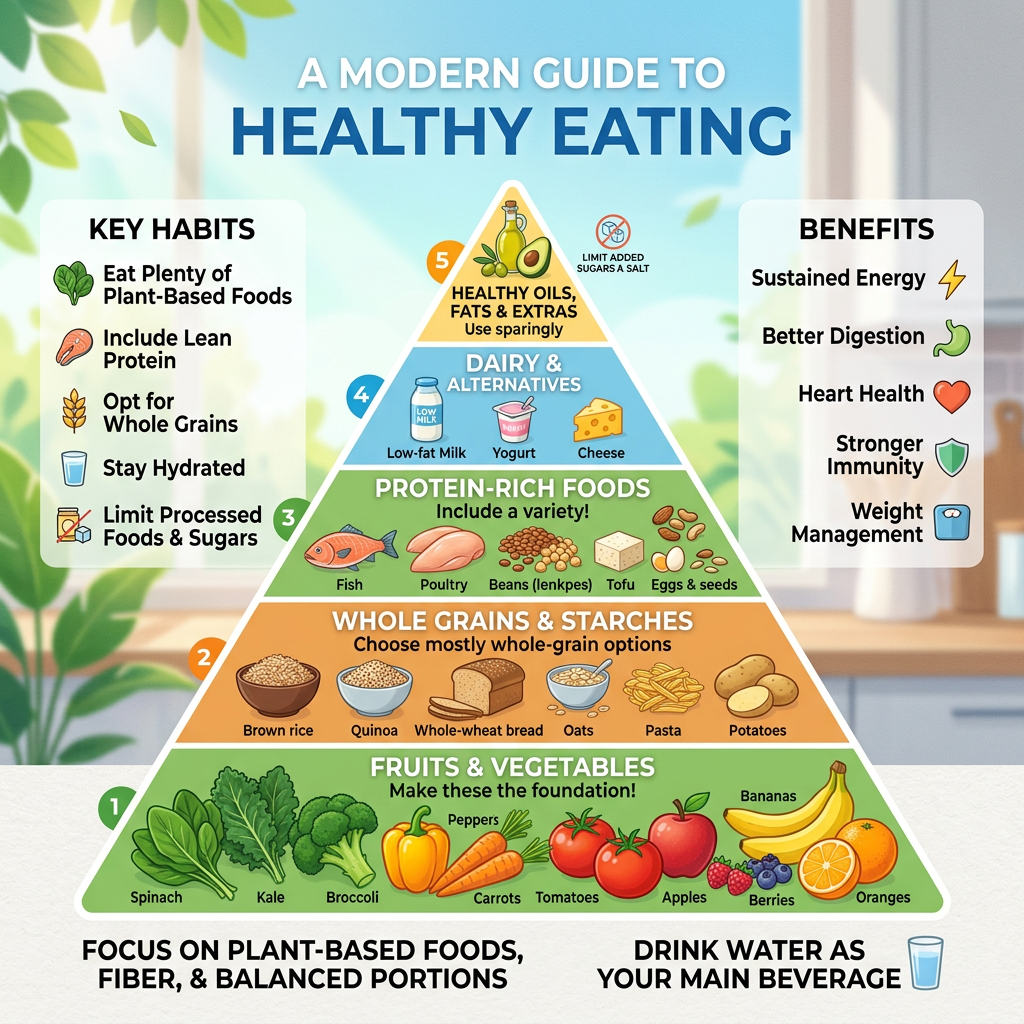
Well, we’ve all heard and learned a bit over the years about the food triangle, but here are the recommended guidelines for healthy living.
- Build Balanced Plates: – Aim to fill half of your plate with colorful fruits and vegetables.
- Lean Proteins: Nutrient-dense proteins, e.g., fish, beans, nuts, lentils, or lean meats
- Whole Grains – Swap refined carbs like white bread and rice for fiber-rich whole grains like brown rice, oats, quinoa, and whole-wheat pasta.
- Healthy Fats and Exercise – Walking, Biking, Yoga, Swimming, Running, and more.
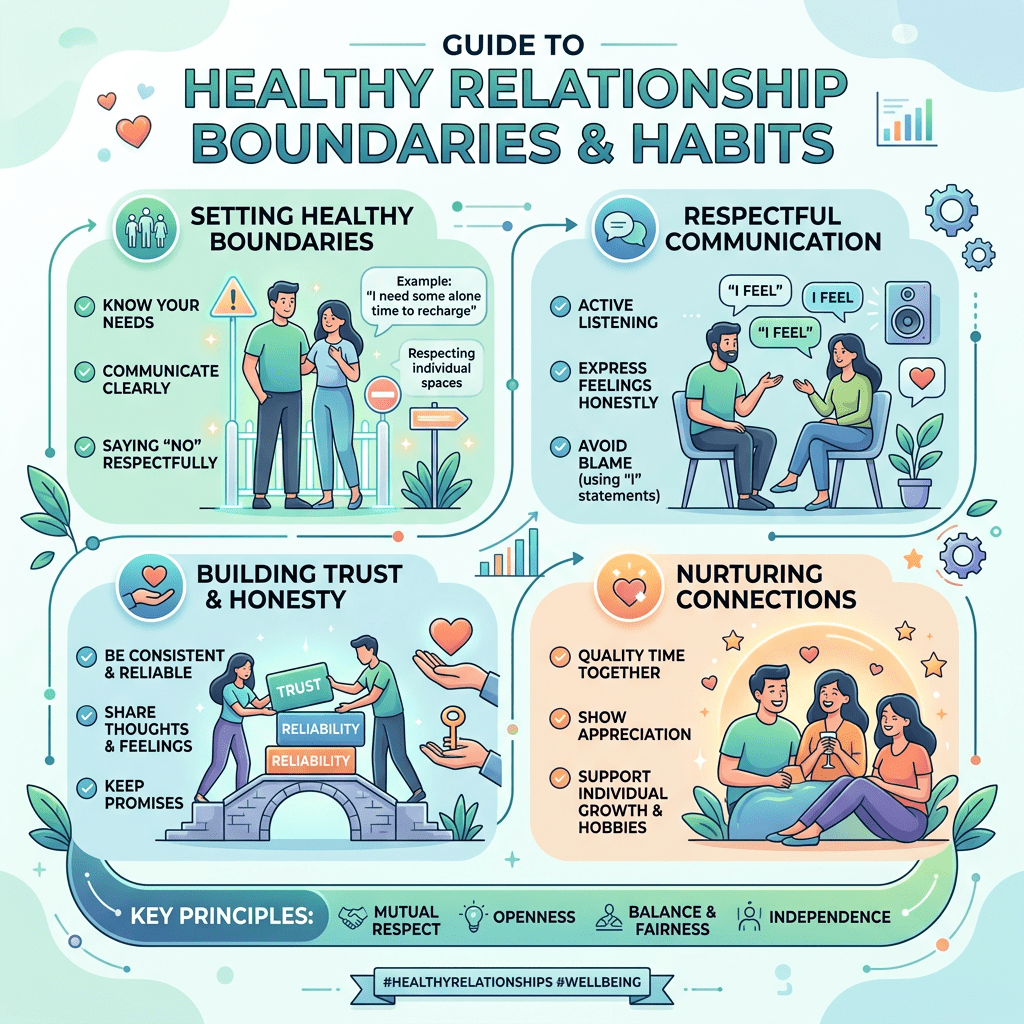
Just as important as living a healthy lifestyle sometimes we overlook living and setting or building healthy boundaries in our relationships.
The first step in establishing healthy boundaries in relationships is to identify your limits. Once you know your boundaries, communicate them clearly using “I” statements that reinforce these limits and outline actionable consequences. Setting these boundaries is essential for building trust, preventing resentment, and maintaining your personal autonomy.
- Identify Your Needs: Take time to figure out what makes you feel safe, respected, and comfortable physically, emotionally, and materially. Your personal values and limits should guide these rules.
- Communicate Directly: Be straightforward and kind, without being overly apologetic or vague. Clearly express what you need using “I” statements (e.g. I need some quiet time in the evenings to recharge).
- Set Clear Consequences: Boundaries are not demands; they are, however, guidelines for your behavior. Determine what action you will take if the boundary is not respected) e.g., “If you yell, I will step away, and we can resume this conversation in an hour”)
- Remian Consistent: It is normal to feel guilty or experience pushback when you first start advocating for yourself. Stay firm and consistently reinforce your limits.
- Types of Boundaries to Consider:
- Emotional Boundaries: Ensure your feelings are respected, and you do not take responsibility for another person’s emotional reactions.
- Time Boundaries: Protect your personal time to focus on your priorities, work, or time alone without feeling crowded.
- Physical & Sexual Boundaries: Clearly communicate your preferences regarding physical touch, intimacy, privacy, and personal space.
- Digital Boundaries: Establish mutually agreed-upon limits regarding social media posts, public relationship status, and device/password privacy.
After looking over the guides below, is there anything you’d like to add?


Leave a Reply